Experimental Methods In Polymer Chemistry Rabek Free Download UPDATED
Experimental Methods In Polymer Chemistry Rabek Free Download

Polyelectrolyte Polysaccharide–Gelatin Complexes: Rheology and Construction
Department of Chemistry, Murmansk State Technical University, Sportivnaya str., 13, Murmansk 183010, Russia
*
Author to whom correspondence should be addressed.
Received: 22 November 2019 / Revised: 5 January 2020 / Accepted: eleven January 2020 / Published: 26 January 2020
Abstract
General features of rheological properties and structural peculiarities of polyelectrolyte polysaccharide–gelatin complexes were discussed in this paper. Experimental results were obtained for typical complexes, such as κ-carrageenan–gelatin, chitosan–gelatin and sodium alginate–gelatin complexes. A rheological method allows us to examine the physical state of a complex in aqueous stage and the kinetics of the sol–gel transition and temperature dependences of properties as a result of structural changes. The storage modulus below the gelation temperature is constant, which is a reflection of the solid-like state of a cloth. The gels of these complexes are usually viscoplastic media. The quantitative values of the rheological parameters depend on the ratio of the components in the complexes. The formation of the structure as a result of stiff interactions of the components in the complexes was confirmed by UV and FTIR information and SEM analysis. Interaction with polysaccharides causes a alter in the secondary structure of gelatin, i.e., the content of triple helices in an α-concatenation increases. The articulation analysis of the structural and rheological characteristics suggests that the germination of additional junctions in the complex gel network results in increases in elasticity and hardening compared with those of the native gelatin.
1. Introduction
Different types of interactions between bioactive macromolecules are of considerable and perhaps decisive importance in numerous areas, such as studies of processes in nature and living organisms, nutrient industry [1,2,3] and medical technologies [4,5,vi]. The formation and disintegration of polysaccharide–poly peptide macromolecular complexes are typical examples of such interactions, depending on compositions, environment, temperature and so on. There are many publications devoted to these subjects, and it would be unreasonable to attempt listing numerous original publications, specially since at that place are several comprehensive reviews roofing different aspects of the outcome [vii,8,9,10]. However, dominant problems discussed in these reviews involve chemistry, thermodynamics and kinetics of polyelectrolyte formation. This is very important and interesting, just the understanding of mechanical and especially rheological backdrop of polysaccharide–protein complexes, especially in relation to their structures, is too extremely of import for applications. Nevertheless, this aspect has not been considered in much detail.
This publication is devoted mainly to the results of studies on rheological properties of polysaccharide–protein complexes in correlation with the analysis of their structures. The discussion is based on experimental data related to gelatin equally the most pop representative of proteins and κ-carrageenans, which is a typical polysaccharide, equally a co-gelator, although experimental information for another polysaccharides are also used.
2. Materials and Methods
An alkaline course gelatin (G) Blazon B from bovine skin (225 g), Bloom, (Sigma-Aldrich, St. Louis, MO, United states) was used. Its isoelectric bespeak determined using viscometric and turbidimetric methods was equal to 4.7.
The sample of κ-carrageenan (Car) (Sigma-Aldrich, Søborg, Denmark) used in experiments (M η = 430 kDa) had a moisture content of vii.7 wt %. The chitosan (Chit) sample (Sigma–Aldrich, Reykjavik, Republic of iceland) was obtained from shrimp shells; the degree of deacetylation was 86% for 1000 η = 260 kDa. A sample of sodium alginate (alginic acid sodium salt, SA) (Sigma-Aldrich, Dorset, United Kingdom) from brown algae with Thou η = 630 kDa was used.
Solutions of polysaccharides (P) and gelatin were prepared separately and dissolved at 70 and 40 °C, respectively. Aqueous mixtures of polysaccharide–gelatin complexes were prepared past mixing stock solutions at 40 °C. Chitosan was dissolved in 0.1 M acetic acid at 70 °C afterwards preliminary swelling for i day at twenty °C. Mixtures of biopolymers with a constant concentration of gelatin, CGrand, in a range of 1.0 to 5.0 wt % and different concentrations of polysaccharide were prepared. Thus, polysaccharide/gelatin (westward/w) ratios, Z = CP/CG, varied from 0.001 to 1.00 in the mixtures. The pH values of the mixtures of gelatin with κ-carrageenan and sodium alginate were in a range of 5.2–v.viii. The pH values of chitosan and its mixtures with gelatin were in a range of 3.i–3.9. One can observe the details of characterisation of the samples used in [xi,12,thirteen].
The main method used for studying the structural transformation was FTIR analysis. The FTIR spectra of the samples were obtained using an FTIR spectrometer (Shimadzu FTIR Tracer-100 and Shimadzu IRAffinity-I, Kyoto, Nippon) at a iv cm−ane resolution by accumulating 256 scans in a range of 3600–800 cm−1 [14,fifteen]. The experiments were performed as following: dried films of samples were grinded in a ball manufactory until it was in the state of a highly dispersed pulverization, and and so, this powder was pressed with KBr to form a pellet. In social club to minimize the effect of traces of moisture (water vapour), the spectrum for water vapour was subtracted from the spectra obtained.
Moreover, the microstructure was examined past SEM (S405-A Hitachi, Tokyo, Japan) using the SEM LEO-420 software. Before measurements, hydrogels formed past polysaccharide–gelatin complexes were kept in a desiccator at a temperature of 12 °C for 4 days. So, the samples were dried using a setup that avoided deformation and devastation of the samples during drying under a loftier vacuum, and a conductive gold layer with a thickness range of 1–20 nm was sprayed on these samples by vacuum deposition.
Rheological properties of all samples were measured in the shear deformation manner using a rheometer (Physica MCR301, Anton Paar, Graz, Austria) with a cone-and-plate working unit (the diameter of the cone was 50 mm, and the angle between the conical surface and the plate was 1 grad). Measurements were carried out in the following deformation modes:
- -
-
periodic oscillations at a constant temperature (xiv °C) and a different frequency, ω, in a range of 0.0628–628 rad/s in the domain of linear viscoelastic behaviour;
- -
-
at a constant temperature of 14 °C and a constant frequency of vi.28 rad/s to follow the "aging" of the samples;
- -
-
at a constant frequency of 6.28 rad/s and increasing the temperature at a rate of 2 Thousand/min;
- -
-
in rate-controlled shearing way with a range of shear rates,
, of ten−3–tentwo southward−ane or in stress with the yield stress σ control mode in a range of 0.01–200 Pa.
The variation of a given temperature was within ± 0.1 °C. The reproducibility of the rheological results was controlled by parallel testing of two samples with the same content.
three. Results
At temperatures below 30 °C, gelatin macromolecules undergo a coil/triple helix (ordered form) conformational transition. Such a transition is accompanied past a subtract in the solubility of gelatin at cooling, the formation of intermolecular contacts and the formation of a three-dimensional (3D) polymer network, if the concentration of gelatin exceeds some critical thresholds [sixteen,17]. Every bit a consequence, the gelatin sol transforms into a gel; the gelation process proceeds in time.
The gelation properties of the κ-carrageenan–gelatin polyelectrolyte complexes were monitored equally they changed with time, because the kinetics of gel formation was of main interest. The method of measuring the evolution of rheological backdrop of a material is rather convenient and uncomplicated. Effigy i presents the results of the isothermal evolution of the relative changes in the complex elastic modulus (electric current value of 1000* divided by its final limiting values G*∞ reached as results of long experiments).
A representative treatment of experimental information can be achieved past presenting the fourth dimension dependence of the relative modify of the elastic modulus, which tin can be written as:
The dependence,
, is a kinetic curve that can be fitted past the equation of the first order:
where thousand is the plumbing equipment abiding and θ is the feature time.
The constant rate (θ −1) of gel germination depended on the concentration of κ-carrageenan, Cautomobile, and this dependence is shown in Figure 2.
Evidently, increasing the κ-carrageenan concentration results in the acceleration of the complex gel formation.
Therefore, we tin write the kinetic equation as:
where K is a constant. This is a typical first-guild kinetic equation with a constant K. An increase in gelation charge per unit was also institute, for example, with increases in alginate-to-gelatin [18] and gellan-to-gelatin [nineteen] ratios.
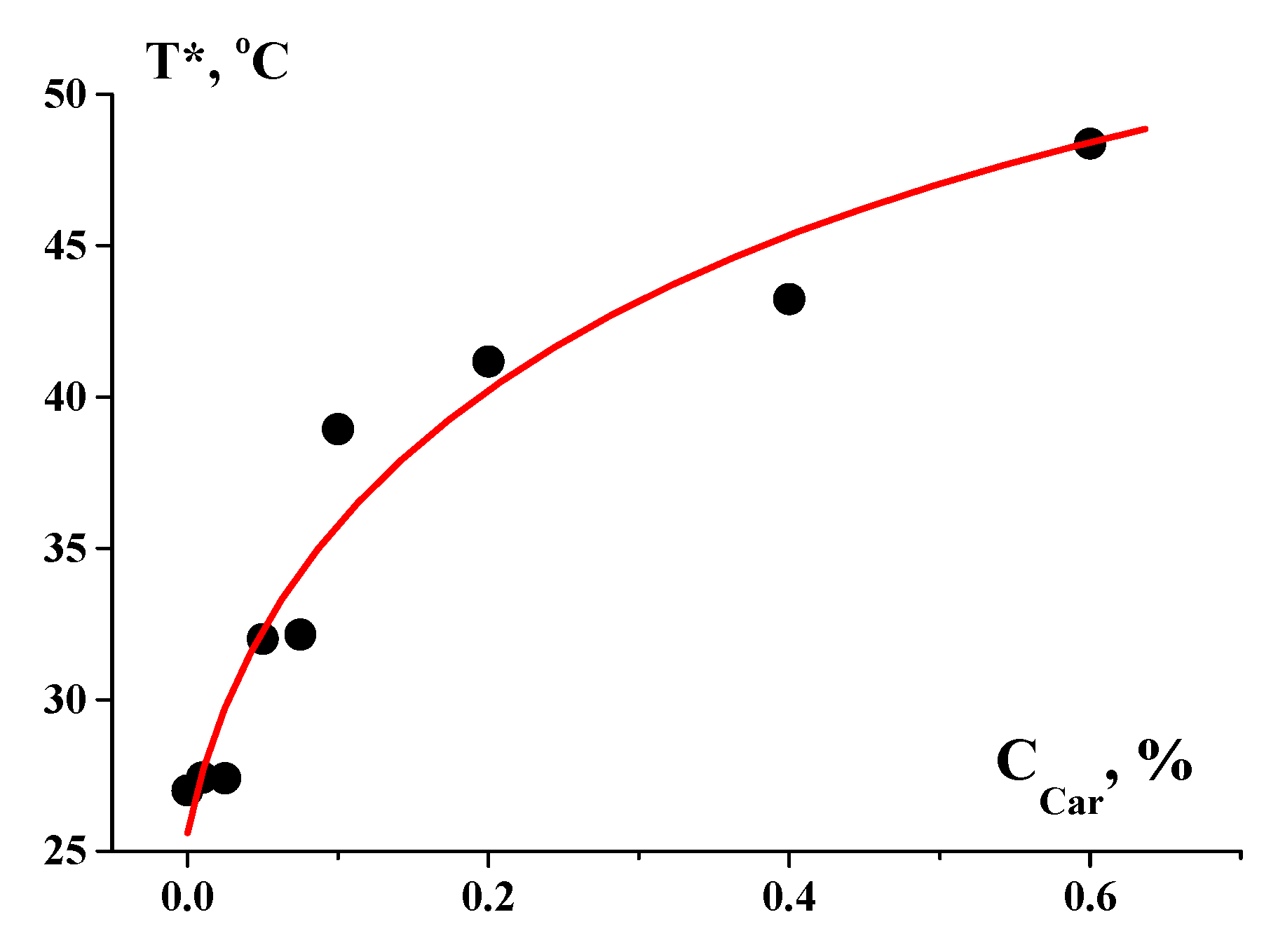
It is well-known that gelatin macromolecules tin pass through a transition at approximately 20–27 °C with coil/helix transition [sixteen,17]. In our instance, this was accompanied by a sol/gel transition that occurred due to the formation of intermolecular hydrogen bonds between carboxyl oxygen and amide hydrogen in the polypeptide chain. This transition is of a kinetic character, which is typical for soft thing. Ane of the most pop methods is detecting the crossover bespeak, where the temperature dependencies of components of a circuitous dynamic modulus (measured at some constant frequencies) go equal to each other. This is conditionally causeless in a gel state of the storage modulus (G′) over the loss modulus (Chiliad′′) and in a sol state of G′ < Yard′′. Then, the equality of Grand′(T) = 1000′′(T) corresponds to the transition temperature, T*.
The addition of polysaccharides promotes increase in the rigidity of the molecular construction [nineteen,xx] and thereby the preservation of the helix conformation of a complex, increasing the transition temperature. Experimental information illustrating the dependence of T* defined by this method on the κ-carrageenan concentration, CMotorcar, are shown in Figure 3. The addition of gellan increases the melting temperature and the mechanical strength of a fish gelatin pic [21]. In some cases, the thermal stability of gelatin films decreases with an increase in chitosan content [22].
The viscoelastic backdrop of all circuitous gels below T* are characteristic of solid-like soft materials. This frequency independence of the storage modulus G′(ω) dominates the storage modulus over the loss modulus (G′(ω) > Grand′′(ω)), although the existence of losses reflects the possibility of relaxation processes in the material. Several examples of experimental data of G′(ω) are presented in Figure four, where information regarding Grand′′(ω) are omitted. The synergistic effect of polysaccharides in physical gelatin gels increases the storage modulus [eighteen,23].
The temperature, T*, is a certain threshold that divides the 2 domains with unlike rheological properties. At T > T*, solutions of polyelectrolyte complexes are fluids (maybe with not-Newtonian properties), because the temperature destroys the labile secondary bonds, which can create a supramolecular construction. Then, even at low stresses, solutions can flow. Meanwhile, the solutions of polyelectrolyte complexes at T < T* can flow at high stresses to demonstrate viscoelastic behaviour, which means that a 3D structure in such solutions is created by secondary bonds with a much college strength rather than at college temperatures. The strength of this structure is quantitatively characterised by the yield stress, σY.
The rheological properties of polyelectrolyte complexes in the temperature range above T* are characterised past menses curves—shear charge per unit or shear stress dependencies of apparent viscosity. Indeed, at T < T*, practically in all cases, these menses curves are typical for viscoplastic liquids. This is typical for emulsions and concentrated suspensions that are soft matter [24,25].
Some examples of flow curves of several gels of polyelectrolyte complexes are presented in Figure 5.
Meanwhile, at low stresses, i can notice a typical yielding behaviour with the yield stress dependent on the concentration of the polysaccharide (Effigy 6).
The flow curves of rather dilute solutions of individual components (either polysaccharides or gelatin) are Newtonian or slightly non-Newtonian liquids, and only the formation of complexes leads to the creation of a structure characterised past the appearance of a clearly noticeable yield stress. Thus, the near expressive effect can be expected, if we follow the dependence of the yield stress, σY, on the ratio, Z, of the concentration of the added polysaccharides to the concentration of the base gelatin in a common organization. Every bit mentioned higher up, defining the yield stress is cryptic, depending on the chosen method (similar the determination of T*). The usual method is based on fitting experimental information by an empirical equation, due east.g., past the Bingham, Casson or Hershel–Bulkley equations, where σY is used as a fitting parameter. Several examples shown in Figure seven illustrate the influence of the complex formation on the value of the yield stress every bit determined using 1 of these equations.
In some cases, σY begins to abruptly abound at some disquisitional value of Z, and this threshold value Z* corresponds to the formation of complexes, whereas in other cases, the dependence of σY(Z) passes through a maximum at some Z* value. The nonmonotonic dependence of the yield stress indicates certainly the influence of the circuitous limerick on its gel-forming properties and the strength of the gel structure [26].
Really, rheological information are very expressive, only indirect evidence of the polyelectrolyte complex germination is the consequence of this phenomenon. Therefore, it is of import to correlate the rheological data with directly chemical arguments, which tin be followed by FTIR spectra.
Intermolecular interactions between the polysaccharide and gelatin leading to the formation of polyelectrolyte complexes were confirmed by UV and FTIR spectroscopy data.
Figure 8 shows, as an example, the UV absorption spectra of chitosan sol, gelatin sol and their mixtures with different mass ratios, Z. The influence of polysaccharides on the spectra is not condiment. The interaction of polysaccharides with gelatin results in a bathochromic shift of the maximum absorption, regardless of the chitosan content. This red shift of the gelatin spectrum indicates the electrostatic interaction between amino groups in chitosan and typical chromophores, such as carboxylic groups, Glu and Asp, which absorb radiation in the virtually-UV range [14]. An increment in absorption in the structureless assimilation band (run across the right-hand parts of the spectra of the mixtures) tin be reasonably ascribed to light scattering by relatively big particles of the complexes. An increase in absorption in this spectral region and a red shift of the absorption maximum in the gelatin UV spectra were also observed for mixtures with κ-carrageenan [11] and sodium alginate [13].
An analysis of the FTIR spectra of the mixtures at various ratios, Z (Effigy 9), compared with the FTIR spectra of private components and characteristic absorption bands (Table ane) [27,28,29], allows usa to distinguish the type of interactions that occurs.
The introduction of polysaccharides into a gelatin solution (Effigy 9a–c) leads to a shift of the feature band of gelatin amide A to the loftier-frequency region (in the case of κ-carrageenan or alginate) or to the depression-frequency region (in the case of chitosan), which is explained past the formation of hydrogen bonds between biopolymer macromolecules [30,31]. The blueish shift can too be explained by electrostatic interactions betwixt the carboxyl groups of an alginate or sulphate grouping of κ-carrageenan with amide groups (Arg, Lys, Hyl and His) of gelatin during the formation of complexes [32,33].
Moreover, the improver of polysaccharides causes a shift of the amide I band (Tabular array 1) in native gelatin spectra to lower frequencies (Effigy 9a,b). The red shift indicates electrostatic interactions of positively charged amide groups of gelatin with negatively charged carboxyl groups of sodium alginate or sulphate groups of κ-carrageenan. Like reddish shifts were observed for alginate–gelatin membranes [34] and films [33], as well as for gellan–gelatin complexes [21]. The proof of electrostatic interactions between negatively charged carboxyl groups in gelatin and positively charged amino groups in chitosan is the shift of the 1165 cm−one ring of gelatin towards the low-frequency range (come across Figure 9c). The same effect was observed in [35].
The observed spectral alterations in the FTIR spectra of native gelatin confirmed strong intermolecular interactions (electrostatic interactions and hydrogen bonding) between polypeptide chains of gelatin and macromolecules of polysaccharides during the self-system of polyelectrolyte complexes, which were besides observed for complexes of gelatin with gellan [21,36], xanthan glue [37], agarose [38] and fully deacetylated chitosan [39].
Strong intermolecular interactions cause a change in the secondary structure of gelatin, i.e., a change in the content of collagen-like triple-helix segments of an α-chain. Amide I is the band that is most sensitive to changes in the secondary structure of a protein [40,41,42]. Some examples of decomposition (The decomposition was carried out by O.N. Makshakova in the Laboratory of Biophysical Chemical science of Nanosystems at the Kazan Institute of Biochemistry and Biophysics, FRC Kazan Scientific Center of RAS.) are shown in second-derivative FTIR spectra in the amide I region (for gelatin and polyelectrolyte complexes), in which v Gaussian components appeared as a consequence of the absorbance of gelatin chains in different conformations, as presented in Figure 10. According to the literature [27,43], chief components (bonds) at 1630, 1645, 1660, 1683 and 1692 cm–1 were assigned to β-sheets, random coils, triple helices, β-turn/b-sheets and β-turns, respectively.
The chief bands at 1660 and 1630 cm−1 that display oppositely directed changes in the secondary structure were used to evaluate the relative variation in the triple helix content. As the polysaccharide/gelatin mass ratio, Z, increases, the secondary construction of the gelatin changes significantly. The ratio of the areas of two chief bands (A1660/A1630) in the second-derivative spectrum of the κ-carrageenan–gelatin complexes shows a sharp increase above a threshold value, Z* (Z* = 0.one) (Effigy 10c). Upon the formation of polyelectrolyte complexes with κ-carrageenan, gelatin bondage obtain additional helicity that exceeds the triple helix content in the native gelatin. A like effect was observed for complexation with sodium alginate [thirteen].
In dissimilarity, the analysis of the amide I region in the FTIR spectra of the chitosan–gelatin complexes and native gelatin (Figure 9b) demonstrated that the relative content of gelatin triple helices decreases at big Z values. Furthermore, the high-frequency shifts of amide Iii at Z = 0.8 and 1.0 bear witness (according to [45,46]) a reduction in intermolecular interactions between gelatin chains within the collagen-like triple-helix structure. This effect could also be attributed to the decrease in the gelatin helix content.
The development of the secondary structure of gelatin due to the formation of a complex with a polysaccharide is considered to be the cause of the alter in the rheological behaviour of the complexes. Thus, an increment in the fraction of ordered structures (triple helices) of a gelatin chain (encounter Figure 10c) leads to the advent of boosted intermolecular contacts and, equally a consequence, the elastic–viscous characteristics of gels formed by the polysaccharide–gelatin complexes increase (encounter Figure 4c and Figure 7). Similarly, chitosan–gelatin systems at high component ratios show that a decrease in the fraction of gelatin-ordered structures (FTIR spectral data) is accompanied by decreases in the viscoelastic parameters and strength (see Figure seven) of the gel of the circuitous.
Changes in the secondary structure of the gelatin during the formation of complexes with a polysaccharide were confirmed by SEM (Figure xi). The SEM image (Effigy 11a) confirms the supramolecular structure of the native gelatin formed by encountering collagen-like fibrils with a 3D network. The observed discrete zones (cells) located along the fibrils may exist formed by uncoiled sections of macromolecules.
Polysaccharide additives crusade essential changes in a network structure (Figure 11b–d). The polysaccharide initiates some interactions between triple-helix zones in the gelatin owing to the advent of polyelectrolyte complexes. In some cases (in the presence of sodium alginate, see Figure 11b), this may pb to the germination of complex aggregates. These polyelectrolyte complexes can play a role of additional nodes in a network [47,48] which is seen in Figure 11a,b and, therefore, atomic number 82 to hardening of the supramolecular structure [twenty,49,50].
The effect of polysaccharide–gelatin polyelectrolyte complexes was observed at micro- and macrolevels; it is associated with hardening of the gelatin gel structure, which is evident in the rheological observations.
4. Conclusions
This written report of polyelectrolyte complexes with dissimilar polysaccharides shows that they demonstrate like rheological and structural furnishings owing to strong interactions betwixt active groups in both components. The crucial influence on the structures and properties of these complexes is determined by the sol-to-solid-like (or sol–gel) transition. This transition, as well equally the kinetics of the circuitous gel formation, was followed past a rheological method, and the obtained results correlated well with the evolution of UV and FTIR spectra and SEM images. From a rheological point of view, the sol-to-gel transition was reflected by the appearance of the solid-like structure. The latter was characterised by the frequency independence of the storage modulus (in the linear domain of viscoelasticity) and the viscoplastic menses behaviour. The strength of the structure created in the gel of the polyelectrolyte complexes, which was reflected by the yield stress, depended on the ratio of the components in the complexes.
A potent interaction of the components and directly evidence of the supramolecular structural transformation were confirmed by UV (aqueous solutions) and FTIR (dried samples) spectral studies. In a sure concentration range, polysaccharides cause an increase in the helicity and, accordingly, rigidity of gelatin α-bondage. The formation of additional network nodes containing gelatin triple helices interacting with polysaccharide macromolecular bondage may crusade the evolution of rheological backdrop, which involves increases in the elasticity and forcefulness of the gel formed past the complexes.
Author Contributions
Conceptualization, S.R.D.; investigation, Y.A.K., D.S.One thousand. and N.Chiliad.V.; writing of the original draft preparation, S.R.D. All authors have read and agreed to the published version of the manuscript.
Funding
This research was funded by the Russian Science Foundation (project No. 16-16-00076).
Acknowledgments
The authors would similar to admit the Laboratory of Rheology at the Institute of Petrochemical Synthesis of RAS for the rheological measurements of κ-carrageenan–gelatin gels, and the Laboratory of Biophysical Chemistry of Nanosystems at the Kazan Institute of Biochemistry and Biophysics, FRC Kazan Scientific Center of RAS for help in ETIR spectroscopy data analysis.
Conflicts of Involvement
The authors declare no conflicts of interest. The funders had no role in the design of the study; in the collection, analyses, or interpretation of data; in the writing of the manuscript, or in the decision to publish the results.
References
- Semenova, M.G.; Dickinson, E. Biopolymers in Food Colloids: Thermodynamics and Molecular Interactions, 1st ed.; CRC Press: London, UK, 2010. [Google Scholar] [CrossRef]
- Ozturk, B.; McClements, D.J. Progress in natural emulsifiers for utilization in food emulsions. Curr. Opin. Nutrient. Sci. 2016, vii, 1–6. [Google Scholar] [CrossRef]
- Dickinson, E. Colloids in food: Ingredients, construction, and stability. Annu. Rev. Food. Sci. Technol. 2015, 6, 211–233. [Google Scholar] [CrossRef] [PubMed]
- McClements, D.J.; Gumus, C.Due east. Natural emulsifiers—Biosurfactants, phospholipids, biopolymers, and colloidal particles: Molecular and physicochemical basis of functional performance. Adv. Colloid Interface Sci. 2016, 234, 3–26. [Google Scholar] [CrossRef] [PubMed]
- Joye, I.J.; McClements, D.J. Biopolymer-based delivery systems: Challenges and opportunities. Curr. Top Med. Chem. 2016, 16, 1026–1039. [Google Scholar] [CrossRef] [PubMed]
- Neves, Grand.A.; Hashemi, J.; Prentice, C. Development of novel bioactives delivery systems by micro/nanotechnology. Curr. Opin. Food Sci. 2015, i, vii–12. [Google Scholar] [CrossRef]
- Schmitt, C.; Turgeon, S.L. Poly peptide/polysaccharide complexes and coacervates in food systems. Adv. Colloid Interface Sci. 2011, 167, 63–lxx. [Google Scholar] [CrossRef]
- Semenova, M.; Moiseenko, D.; Grigorovich, Northward.; Anokhina, One thousand.; Antipova, A.; Belyakova, L.; Polikarpov, Y.; Tsapkina, Eastward. Protein–polysaccharide interactions and digestion of the complex particles. In Food Structure, Digestion and Health; Boland, Chiliad., Golding, M., Singh, H., Eds.; Academic Press: London, UK, 2014; pp. 169–192. [Google Scholar] [CrossRef]
- Semenova, M. Protein–polysaccharide associative interactions in the pattern of tailor-made colloidal particles. Curr. Opin. Colloid Interface Sci. 2017, 28, 15–21. [Google Scholar] [CrossRef]
- Wei, Z.; Huang, Q. Associates of Protein−Polysaccharide Complexes for Commitment of Bioactive Ingredients: A Perspective Paper. J. Agric. Food Chem. 2019, 67, 1344–1352. [Google Scholar] [CrossRef]
- Voron'ko, Due north.G.; Derkach, Due south.R.; Vovk, M.A.; Tolstoy, P.Yard. Germination of κ-carrageenan–gelatin polyelectrolyte complexes studied past 1H NMR, UV spectroscopy and kinematic viscosity measurements. Carbohydr. Polym. 2016, 151, 1152–1161. [Google Scholar] [CrossRef] [PubMed]
- Voron'ko, N.G.; Derkach, South.R.; Kuchina, Y.A.; Sokolan, N.I. The chitosan-gelatin (bio)polyelectrolyte complexes formation in an acidic medium. Carbohydr. Polym. 2016, 138, 265–272. [Google Scholar] [CrossRef] [PubMed]
- Derkach, Due south.R.; Voron'ko, Due north.1000.; Sokolan, N.I.; Kolotova, D.Due south.; Kuchina, Y.A. Interactions between gelatin and sodium alginate: UV and FTIR studies. J. Disper. Sci. Technol. 2019. [Google Scholar] [CrossRef]
- Rabek, J.F. Experimental Methods in Polymer Chemical science: Physical Principles and Applications; John Wiley & Sons, Inc.: New York, NY, U.s., 1980. [Google Scholar]
- Silverstein, R.M.; Vebster, F.X.; Kiemle, D.J. Spectrometric Identification of Organic Compounds; John Wiley & Sons Inc.: New York, NY, Usa, 2005. [Google Scholar]
- Izmailova, Five.Northward.; Derkach, S.R.; Sakvarelidze, Yard.A.; Levachev, Southward.M.; Voron'ko, North.G.; Yampol'skaya, G.P. Gelation in gelatin and gelatin-containing multicomponent blends. Polym. Sci. C 2004, 46, 73–92. [Google Scholar]
- Haug, I.J.; Draget, Yard.I. Gelatin. In Handbook of Hydrocolloids; Phillips, Chiliad.O., Williams, P.A., Eds.; CRC Press: Boca Raton, FL, United states of america, 2009; pp. 142–163. [Google Scholar]
- Goudoulas, N.B.; Germann, Northward. Phase transition kinetics and rheology of gelatin-alginate mixtures. Food Hydrocoll. 2017, 66, 49–60. [Google Scholar] [CrossRef]
- Sow, L.C.; Peh, Y.R.; Pekerti, B.Northward.; Fu, C.; Bansal, Northward.; Yang, H. Nanostructural analysis and textural modification of tilapia fish gelatin affected by gellan and calcium chloride addition. LWT—Nutrient Sci. Technol. 2017, 85, 137–145. [Google Scholar] [CrossRef]
- Derkach, S.; Voron'Ko, North.; Kuchina, Y.A.; Kolotova, D.; Gordeeva, A.; Faizullin, D.; Gusev, Y.A.; Zuev, Y.F.; Makshakova, O. Molecular structure and properties of κ-carrageenan-gelatin gels. Carbohydr. Polym. 2018, 197, 66–74. [Google Scholar] [CrossRef] [PubMed]
- Pranoto, Y.; Lee, C.M.; Park, H.J. Characterizations of fish gelatin films added with gellan and k-carrageenan. LWT—Nutrient Sci. Technol. 2007, 40, 766–774. [Google Scholar] [CrossRef]
- Qiao, C.; Ma, X.; Zhang, J.; Yao, J. Molecular interactions in gelatin/chitosan blended films. Food Chem. 2017, 235, 45–l. [Google Scholar] [CrossRef]
- Picard, J.; Giraudier, S.; Larreta-Garde, V. Controlled remodeling of a protein-polysaccharide mixed gel: Examples of gelatin-hyaluronic acid mixtures. Soft Matter 2009, v, 4198–4205. [Google Scholar] [CrossRef]
- Malkin, A.Y.; Kulichikhin, V.G. Structure and rheology of highly full-bodied emulsions. Mod view. Russ. Chem. Rev. 2015, 84, 803–825. [Google Scholar] [CrossRef]
- Malkin, A.Y.; Kulichikhin, V.G. A modern await on yield stress fluids. Rheol. Acta 2017, 56, 177–188. [Google Scholar] [CrossRef]
- Derkach, S.R.; Voron'ko, N.One thousand.; Sokolan, N.I. The Rheology of Hydrogels Based on Chitosan–Gelatin (Bio)polyelectrolyte Complexes. J. Disper. Sci. Technol. 2017, 38, 1427–1434. [Google Scholar] [CrossRef]
- Prystupa, D.A.; Donald, A.M. Infrared Study of Gelatin Conformations in the Gel and Sol States. Polym. Gels Netw. 1996, 4, 87–110. [Google Scholar] [CrossRef]
- Sen, M.; Erboz, E.North. Determination of critical gelation weather of κ-carrageenan past viscosimetric and FT-IR analyses. Food Res. Internat. 2010, 43, 1361–1364. [Google Scholar] [CrossRef]
- Li, P.; Dai, Y.N.; Zhang, J.P.; Wang, A.Q.; Wei, Q. Chitosan-alginate nanoparticles as a novel drug delivery organization for nifedipine. Int. J. Biomed. Sci. 2008, iv, 221. [Google Scholar] [PubMed]
- Wang, Y.; Qui, T.; Cosgrove, T.; Denbow, One thousand.Fifty. A small-angle neutron handful and rheology study of the composite of chitosan and gelatin. Colloid Surf. B 2009, 70, 254–258. [Google Scholar] [CrossRef] [PubMed]
- Pal, K.; Banthia, A.Grand.; Majumdar, D.K. Preparation and Characterization of Polyvinyl Alcohol-Gelatin Hydrogel Membranes for Biomedical Applications. AAPS Pharm. Sci. Technol. 2007, 8, 142–146. [Google Scholar] [CrossRef] [PubMed]
- Xiao, C.; Liu, H.; Lu, Y.; Zhang, 50. Alloy Films from sodium alginate and gelatin solutions. J. Macromol. Sci. A 2001, 38, 317–328. [Google Scholar] [CrossRef]
- Yakimets, I.; Wellner, N.; Smith, A.C.; Wilson, R.H.; Farhat, I.; Mitchell, J. Mechanical properties with respect to water content of gelatin films in glassy state. Polymer 2005, 46, 12577–12585. [Google Scholar] [CrossRef]
- Li, Y.; Jia, H.; Cheng, Q.; Pan, F.; Jiang, Z. Sodium Alginate–Gelatin Polyelectrolyte Circuitous Membranes with Both High Water Vapor Permeance and High Permselectivity. J. Membr. Sci. 2011, 375, 304–312. [Google Scholar] [CrossRef]
- Staroszczyk, H.; Sztuka, K.; Wolska, J.; Wojtasz-Pajak, A.; Kolodziejska, I. Interactions of fish gelatin and chitosan in uncrosslinked and crosslinked with EDC films: FT-IR study. Spectrochim. Acta A Mol. Biomol. Spectrosc. 2014, 117, 707–712. [Google Scholar] [CrossRef]
- Sow, L.C.; Kong, Yard.; Yang, H. Structural Modification of Fish Gelatin by the Addition of Gellan, j-Carrageenan, and Salts Mimics the Critical Physicochemical Properties of Pork Gelatin. J. Food Sci. 2018, 83, 1280–1291. [Google Scholar] [CrossRef] [PubMed]
- Lii, C.-Y.; Liaw, S.C.; Lai, 5.K.-F.; Tomasik, P. Xanthan gum–gelatin complexes. Eur. Polym. J. 2002, 38, 1377–1381. [Google Scholar] [CrossRef]
- Almrhag, O.; George, P.; Bannikova, A.; Katopo, L.; Chaudhary, D.; Kasapis, D. Investigation on the stage behaviour of gelatin/agarose mixture in an environment of reduced solvent quality. Food Chem. 2003, 136, 835–842. [Google Scholar] [CrossRef] [PubMed]
- Taravel, M.N.; Domard, A. Collagen and its interaction with chitosan: II. Influence of the physicochemical characteristics of collagen. Biomaterials 1995, 16, 865–871. [Google Scholar] [CrossRef]
- Muyonga, J.H.; Cole, C.K.B.; Duodu, K.Grand. Fourier transform infrared (FTIR) spectroscopic study of acid soluble collagen and gelatin from skins and basic of young and adult Nile perch. Food Chem. 2004, 86, 325–332. [Google Scholar] [CrossRef]
- Barth, A. Infrared Spectroscopy of Proteins. Biochim. Biophys. Acta. 2007, 1767, 1073–1101. [Google Scholar] [CrossRef]
- Kong, J.; Yu, S. Fourier Transform Infrared Spectroscopic Analysis of Protein Secondary Structures. Acta Biochim. Biophys. Sinica. 2007, 39, 549–559. [Google Scholar] [CrossRef]
- Payne, Grand.J.; Veis, A. Fourier Transform IR Spectroscopy of Collagen and Gelatin Solutions: Deconvolution of the Amide I Band for Conformational Studies. Biopolymers 1988, 27, 1749–1760. [Google Scholar] [CrossRef]
- Dong, A.; Huang, P.; Caughey, W.S. Protein secondary structures in water from 2d-derivative Amongst I infrared spectra. Biochemistry 1990, 29, 3303–3308. [Google Scholar] [CrossRef]
- Al-Saidi, Yard.South.; Al-Alawi, A.; Rahman, K.S.; Guizani, N. Fourier transforminfrared (FTIR) spectroscopic report of extracted gelatin from shaari (Lithrinusmicrodon) skin: Furnishings of extraction conditions. Int. Food Res. J. 2012, xix, 1167–1173. [Google Scholar]
- Sionkowska, A.; Wisniewski, M.; Skopinska, J.; Kennedy, C.J.; Wess, T.J. Molecular interactions in collagen and chitosan blends. Biomaterials 2004, 25, 795–801. [Google Scholar] [CrossRef]
- Peak, C.West.; Wilker, J.J.; Schmidt, One thousand. A review on tough and sticky hydrogels. Colloid Polym. Sci. 2013, 291, 2031–2047. [Google Scholar] [CrossRef]
- Le, X.T.; Rioux, 50.-Due east.; Turgeon, South.L. Formation and functional properties of poly peptide–polysaccharide electrostatic hydrogels in comparison to protein or polysaccharide hydrogels. Adv. Colloid Interfac. 2017, 239, 127–135. [Google Scholar] [CrossRef]
- Wang, C.-Due south.; Natale, G.; Virgilio, N.; Heuzey, M.-C. Synergistic gelation of gelatin B with xanthan gum. Food Hydrocoll. 2016, 60, 374–383. [Google Scholar] [CrossRef]
- Sinthusamran, Due south.; Benjakul, S.; Swedlund, P.J.; Hemar, Y. Physical and rheological backdrop of fish gelatin gel as influenced by κ-Carrageenan. Food Biosci. 2017, 20, 88–95. [Google Scholar] [CrossRef]
Figure 1. Kinetics of gelation represented past the complex dynamic modulus, G*, normalised by its limiting value, Thousand*∞. The concentration of gelatin was 2 wt %. The concentrations of κ-carrageenan, Ccar, are shown.
Figure 1. Kinetics of gelation represented by the complex dynamic modulus, Grand*, normalised by its limiting value, G*∞. The concentration of gelatin was 2 wt %. The concentrations of κ-carrageenan, Cmotorcar, are shown.
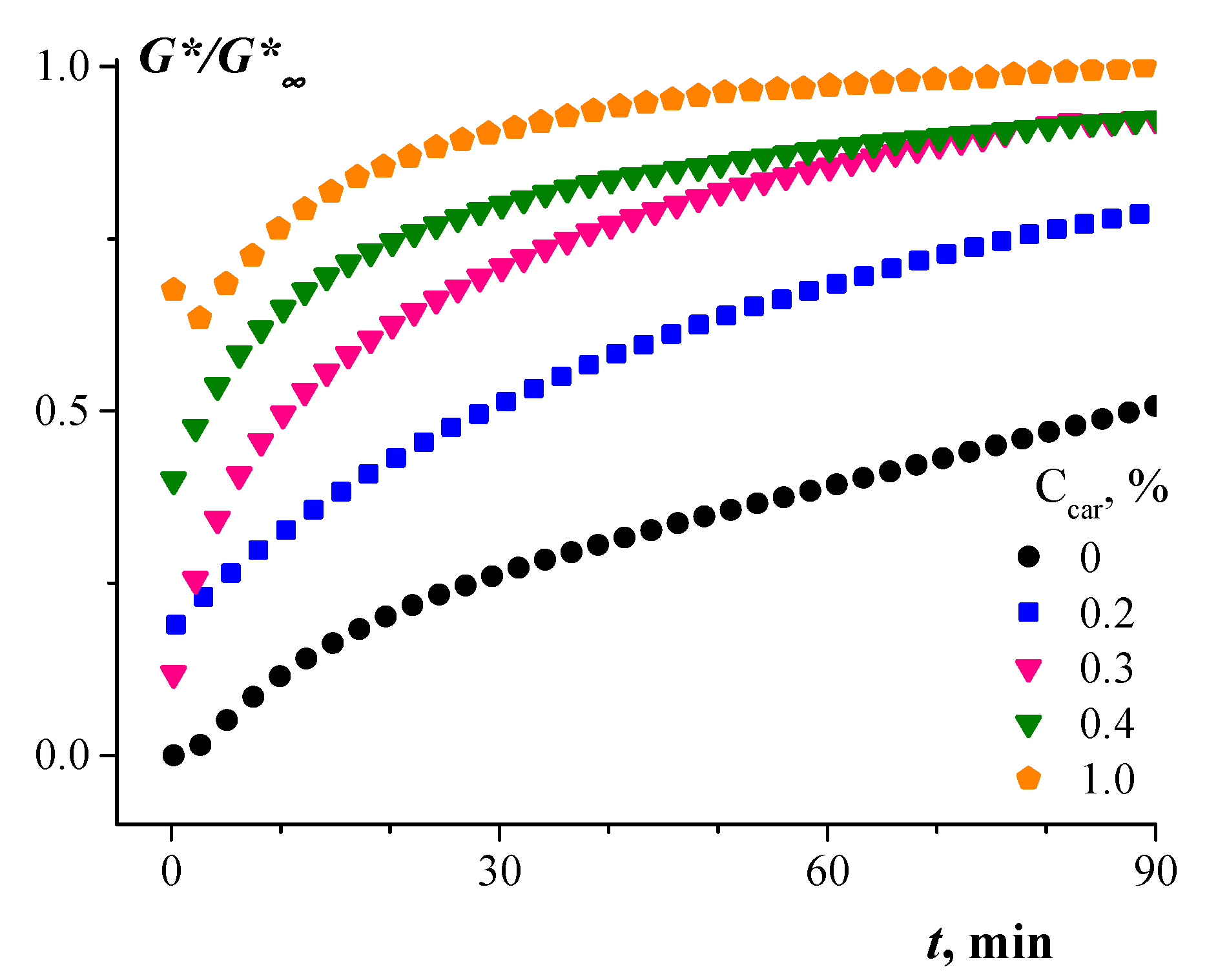
Figure 2. Dependence of the characteristic abiding charge per unit of gel formation on the concentration of polysaccharide.
Effigy 2. Dependence of the characteristic abiding rate of gel formation on the concentration of polysaccharide.

Effigy iii. Temperature dependence of the gel/sol transition of gelatin (CG = 1 wt %) on the concentration of circuitous polysaccharides.
Figure 3. Temperature dependence of the gel/sol transition of gelatin (CG = ane wt %) on the concentration of circuitous polysaccharides.
Effigy 4. Frequency dependences of storage modulus G′ for the κ-carrageenan–gelatin (a) and chitosan–gelatin (b) complexes at a gelatin concentration CG of ane wt % and for different component mass ratios, Z (indicated in the graph).
Figure four. Frequency dependences of storage modulus G′ for the κ-carrageenan–gelatin (a) and chitosan–gelatin (b) complexes at a gelatin concentration CM of i wt % and for different component mass ratios, Z (indicated in the graph).

Effigy 5. Gummy backdrop of native gelatin (the concentration of gelatin is 1 wt %) and complexes of chitosan (a) and sodium alginate (b) with gelatin. The concentrations of polysaccharide are shown.
Figure 5. Viscous properties of native gelatin (the concentration of gelatin is 1 wt %) and complexes of chitosan (a) and sodium alginate (b) with gelatin. The concentrations of polysaccharide are shown.

Figure six. Yields in complexes of native gelatin (the concentration of gelatin is ane wt %) with κ-carrageenan. The concentrations of κ-carrageenan used are shown.
Effigy 6. Yields in complexes of native gelatin (the concentration of gelatin is 1 wt %) with κ-carrageenan. The concentrations of κ-carrageenan used are shown.

Figure vii. Yield stress σY equally a function of the polysaccharide/gelatin mass ratio, Z, in the complexes. Polysaccharides: 1—chitosan; 2—κ-carrageenan. The σY values are adamant by the Hershel–Bulkley (open points) and Casson (full points) models. CYard = 1 wt %.
Figure 7. Yield stress σY every bit a office of the polysaccharide/gelatin mass ratio, Z, in the complexes. Polysaccharides: 1—chitosan; 2—κ-carrageenan. The σY values are adamant by the Hershel–Bulkley (open points) and Casson (full points) models. CYard = 1 wt %.
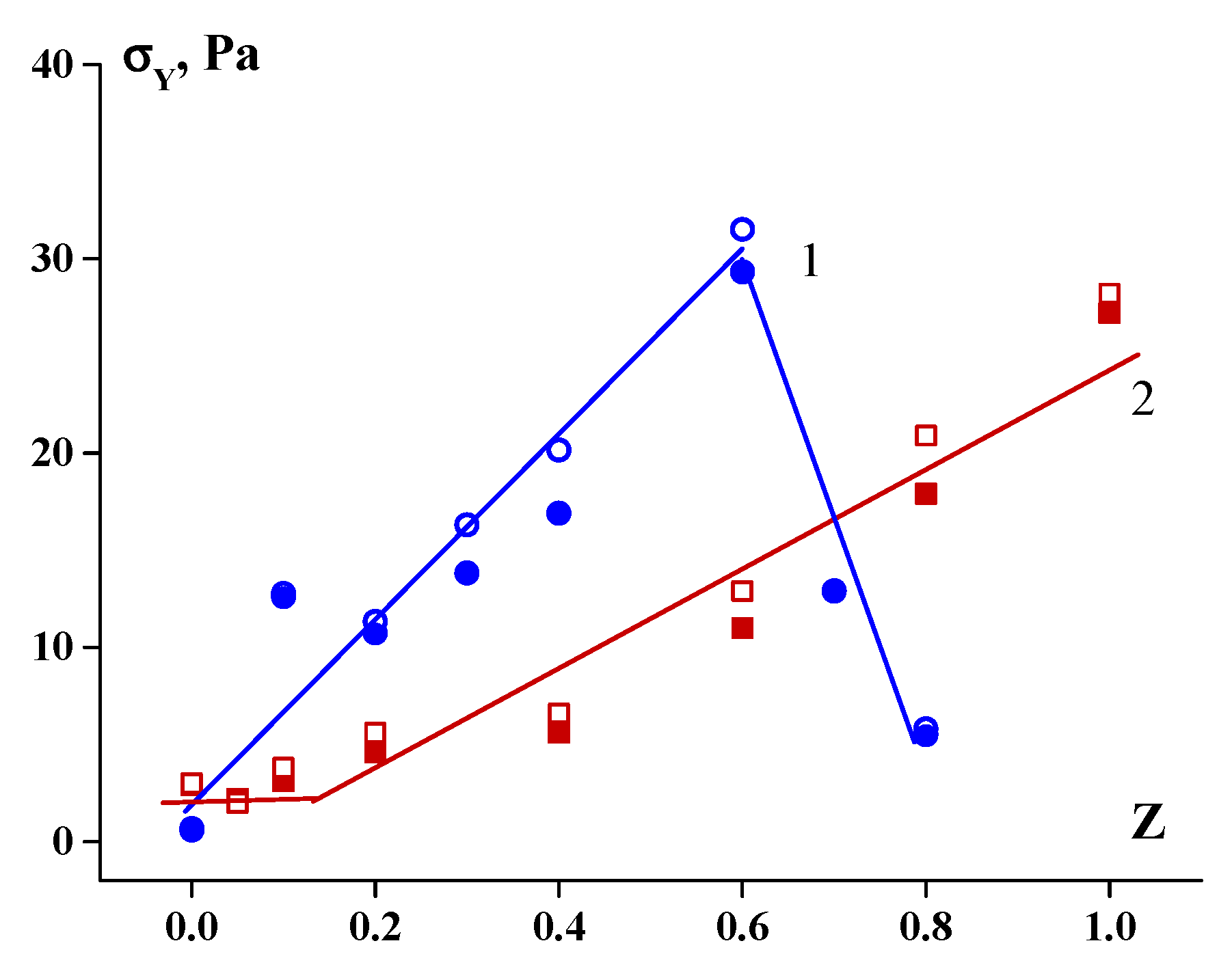
Figure 8. UV absorption spectra of chitosan sol (1), gelatin sol (2) and chitosan–gelatin mixtures (3–six). CK = 1.0 wt %; polysaccharide-to-gelatin mass ratio, Z: (3) 0.2, (iv) 0.iii, (five) 0.4, and (half-dozen) 0.5.
Figure 8. UV absorption spectra of chitosan sol (1), gelatin sol (two) and chitosan–gelatin mixtures (3–half-dozen). CG = 1.0 wt %; polysaccharide-to-gelatin mass ratio, Z: (3) 0.two, (iv) 0.3, (v) 0.four, and (6) 0.5.

Effigy 9. FTIR spectra of gelatin, polysaccharides and complexes of κ-carrageenan (a), sodium alginate (b) and chitosan (c) with gelatin at different polysaccharide-to-gelatin (w/w) ratios, Z.
Effigy nine. FTIR spectra of gelatin, polysaccharides and complexes of κ-carrageenan (a), sodium alginate (b) and chitosan (c) with gelatin at different polysaccharide-to-gelatin (w/w) ratios, Z.


Figure ten. Decompositions of second-derivative FTIR spectra using v Gaussian components: (a) gelatin gel (CM = 1 wt %); (b) κ-carrageenan–gelatin gels (polysaccharide-to-gelatin (w/w) ratio Z = 0.viii); (c) the ratio of the areas of ii bands (A1660/A1630) in the second-derivative spectrum of κ-carrageenan–gelatin complex gels. Decompositions were performed co-ordinate to the procedure described in [44].
Figure x. Decompositions of second-derivative FTIR spectra using five Gaussian components: (a) gelatin gel (CThou = one wt %); (b) κ-carrageenan–gelatin gels (polysaccharide-to-gelatin (westward/westward) ratio Z = 0.8); (c) the ratio of the areas of two bands (A1660/A1630) in the second-derivative spectrum of κ-carrageenan–gelatin complex gels. Decompositions were performed according to the procedure described in [44].
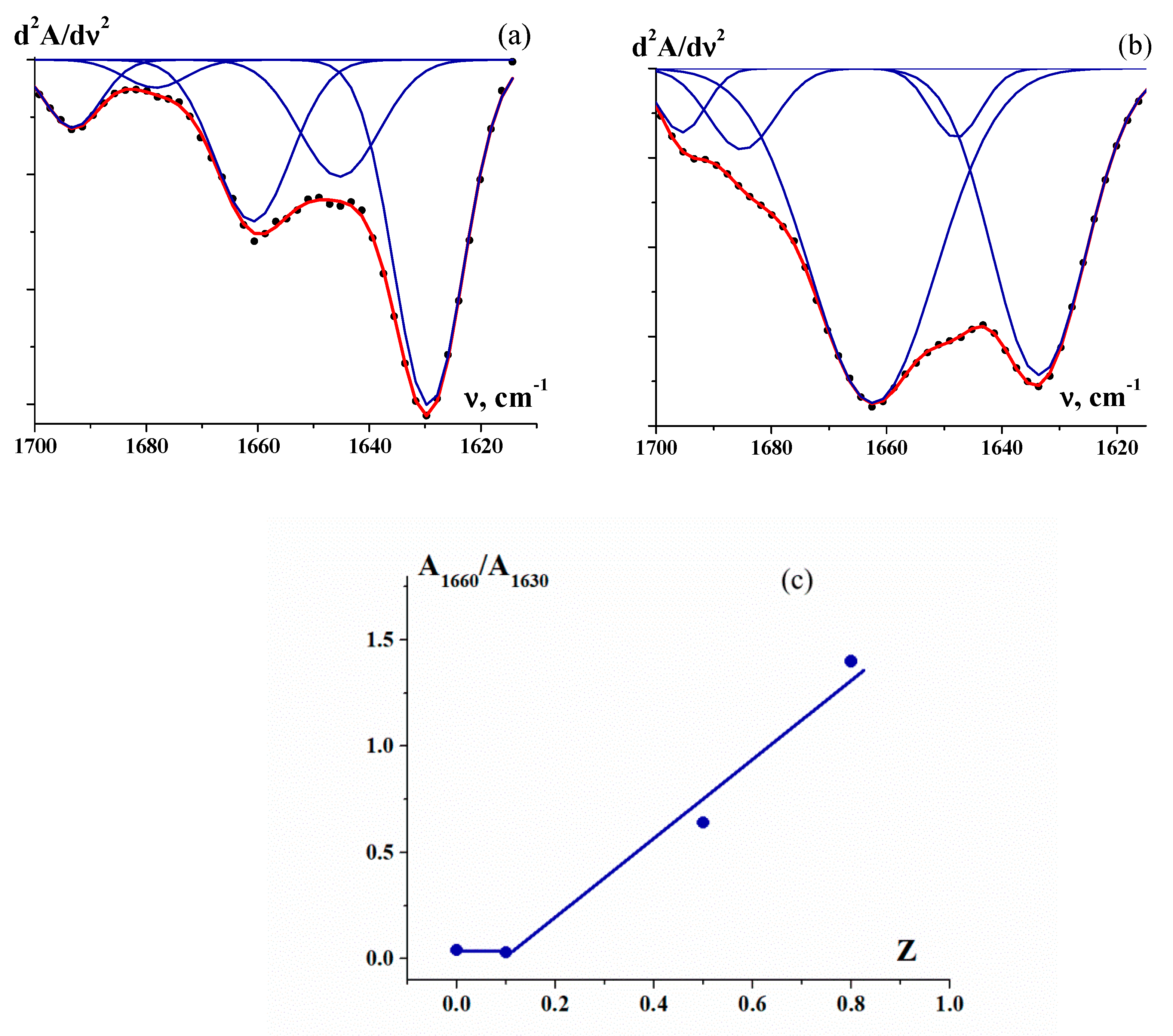
Figure eleven. SEM images of the native gelatin hydrogel (a) and hydrogel formed by polyelectrolyte complexes with κ-carrageenan (b); sodium alginate (c) and chitosan (d) at Z = 0.03–0.05. Magnification: ×x4.
Figure xi. SEM images of the native gelatin hydrogel (a) and hydrogel formed by polyelectrolyte complexes with κ-carrageenan (b); sodium alginate (c) and chitosan (d) at Z = 0.03–0.05. Magnification: ×104.
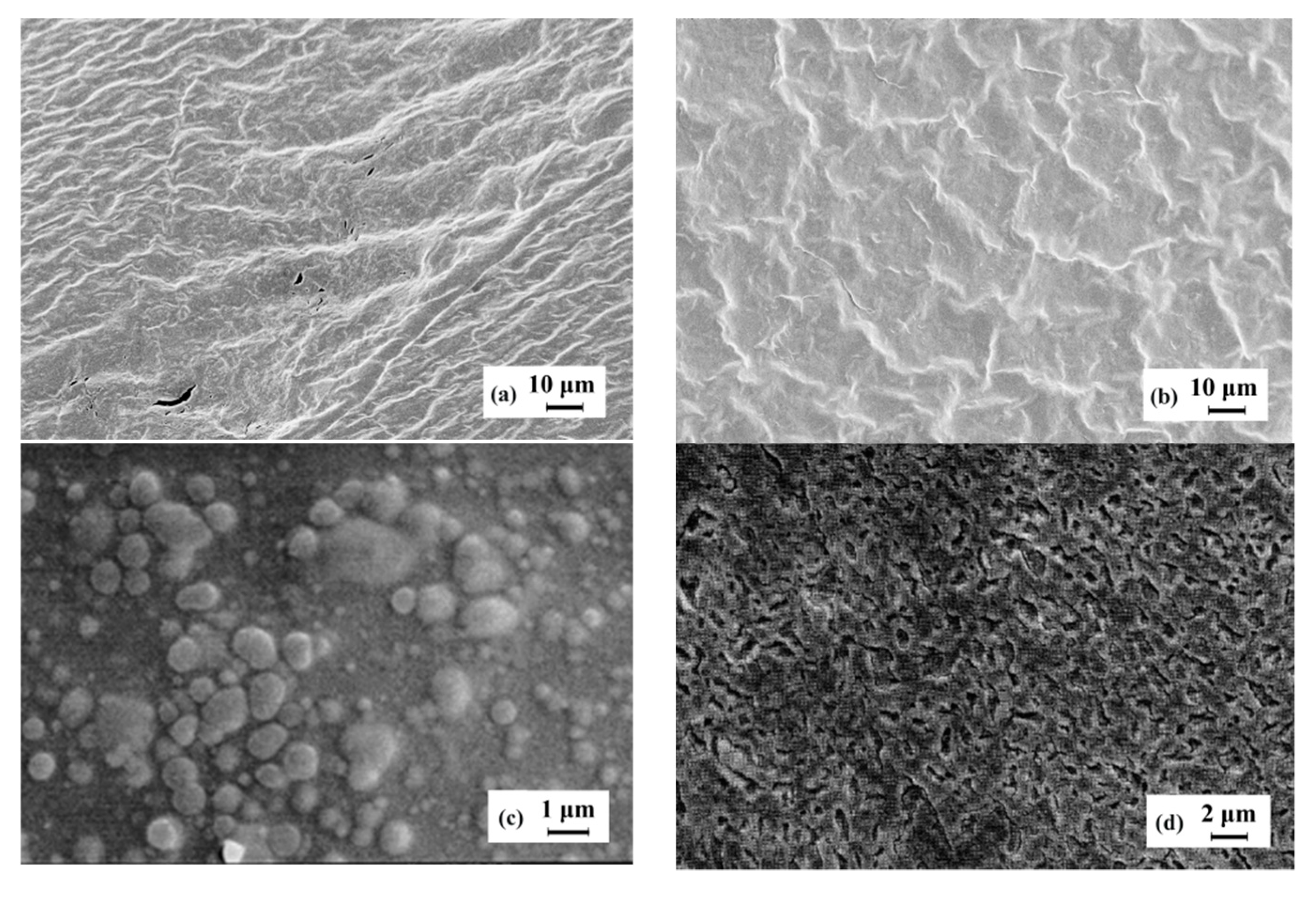
Table 1. Characteristic absorption bands of protein and polysaccharides.
Table ane. Characteristic absorption bands of poly peptide and polysaccharides.
| Component | Wave Number ν (cm−1) | Type of Vibration |
|---|---|---|
| Gelatin | 3400–3300 | Stretching vibrations of NH groups (amide A) |
| 1700–1600 | Stretching vibrations of CO– and CN– groups (amide I) | |
| 1575–1480 | Deformation vibrations of NH– groups and stretching vibrations of CN groups (amide Two) | |
| 1300–1230 | Stretching vibrations of CN groups (amide Three) | |
| Sodium alginate | 3600–3200 | Stretching vibration of OH groups |
| 1580–1620 | Asymmetric stretches of COO groups | |
| 1400–1420 | Symmetric stretches of COO groups | |
| 1300–1320 | Stretching vibration of CO groups | |
| 1070–1090 | Mannuronic units | |
| 1025–1035 | Guluronic units | |
| 815–820 | α-configuration of guluronic units | |
| k-carrageenan | 3600–3200 | Stretching vibration of OH groups |
| 1270–1230 | Vibration of the sulfate grouping | |
| 1100–1080 | Glycosidic bonds | |
| 1070, 928–933 | three,6-anhydridegalactose group | |
| 840–850 | D-galactose-iv-sulfate group | |
| Chitosan | 3600–3200 | Stretching vibrations of NH groups and OH groups |
| 2960–2880 | Symmetric and asymmetric stretches of CH groups | |
| 1670-1620 | Stretching vibrations of CO groups (amide I) | |
| 1325-1320 | Stretching vibrations of CN groups (amide Three) |
© 2020 by the authors. Licensee MDPI, Basel, Switzerland. This article is an open admission article distributed nether the terms and weather condition of the Creative Commons Attribution (CC Past) license (http://creativecommons.org/licenses/past/four.0/).
DOWNLOAD HERE
Posted by: jamieoung1939.blogspot.com

Post a Comment for "Experimental Methods In Polymer Chemistry Rabek Free Download UPDATED"